Appearance
Cloud Infrastructure and IaC
Cloud Infrastructure and IaC Graphics Coverage
Primary chapter graphic: Cloud Application Stack Layers, Cloud Computing Learning Map, AWS Database Choice Map, AWS Learning Map, Infrastructure as Code Landscape, Cloud Service Families, Object Storage Request Path, Cloud Provider Capability Map, Virtualization Layers, Cloud Data Pipeline Services, Common AWS Service Families. Accepted graphics: 11. Reviewed non-signal pages: 2. Open graphics in review: 0. QA status lives in graphics audit and visual review ledger.
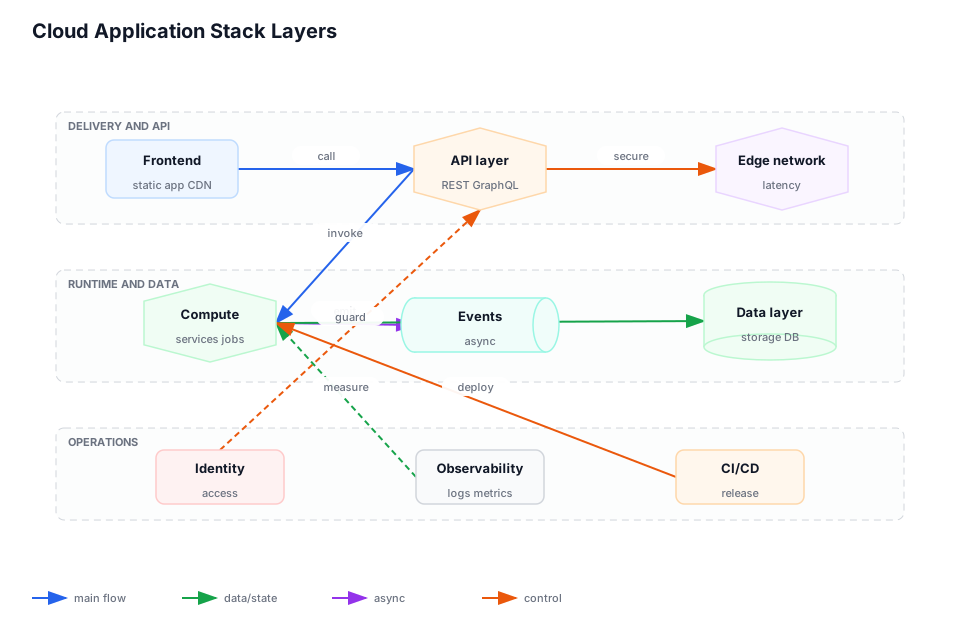
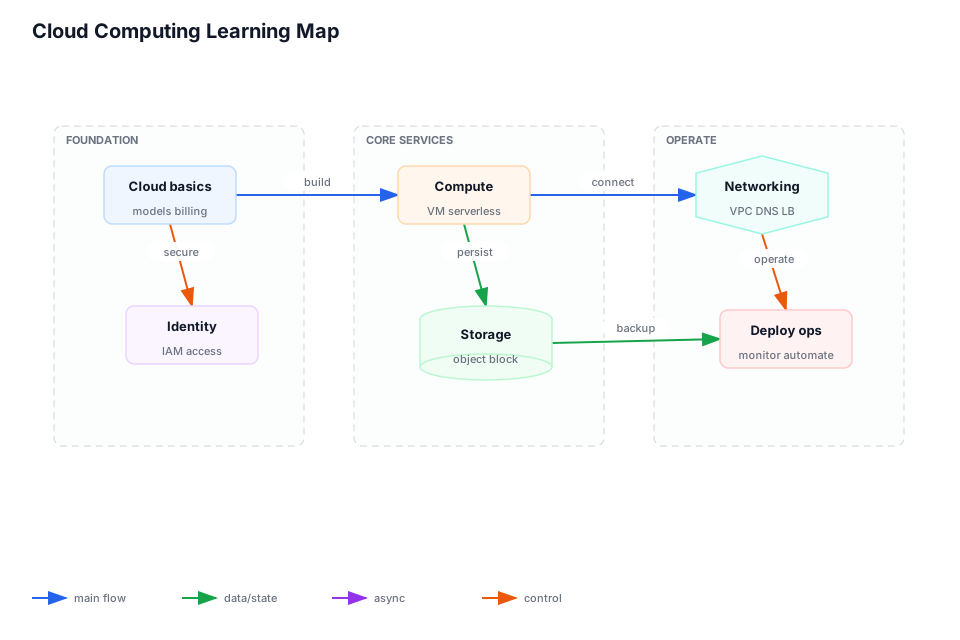
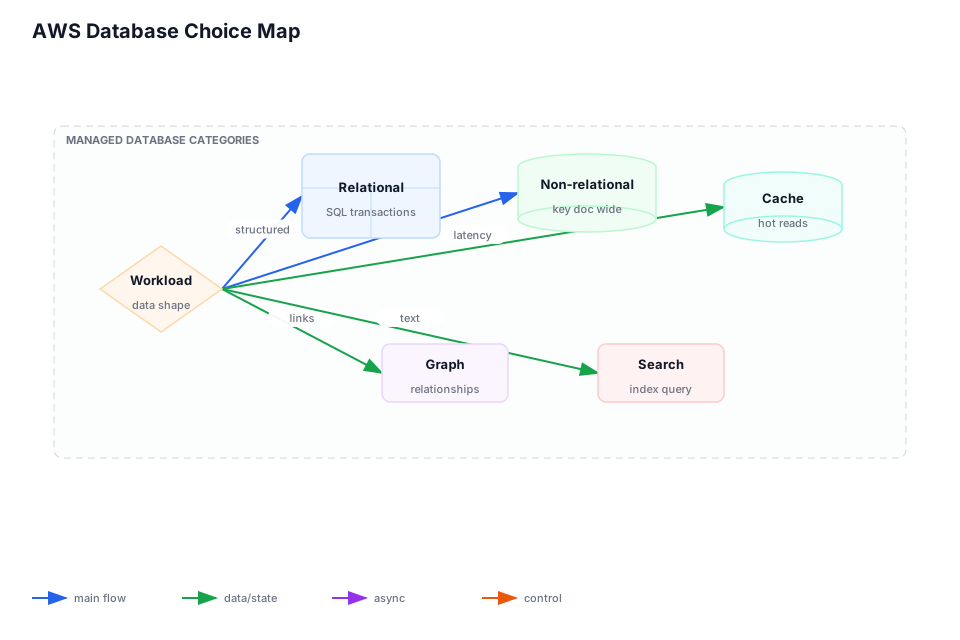
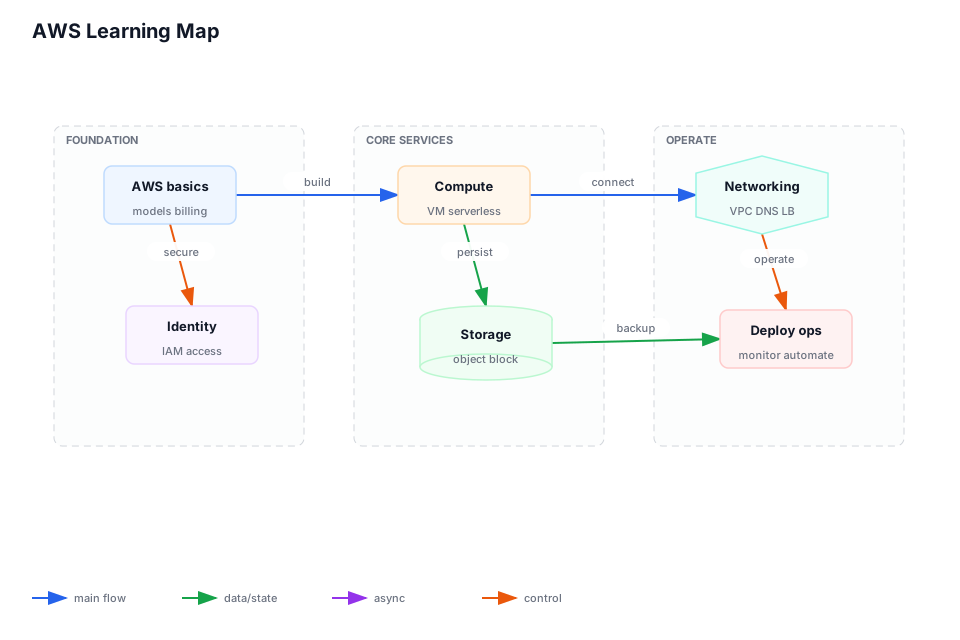
Corpus pages: p. 20-21, p. 53-54, p. 85, p. 106-107, p. 109, p. 145-146, p. 153-154, p. 222, p. 382-385, p. 391-392, p. 415-416 Coverage: 21 pages; low-confidence extraction ranges: p. 20-21, p. 53, p. 382-385, p. 391-392
This chapter is part of Marius's owned architecture build corpus. The text routes decisions; durable implementation signal is carried by accepted graphics, reviewed non-signal decisions, and the linked QA audit.
Chapter Visuals
Accepted graphics carry the canonical design signal for this chapter. Each selected source page is either accepted as a graphic or explicitly marked non-signal in the source-faithful ledger. Review and QA state live in visual inventory, visual review ledger, and graphics audit.
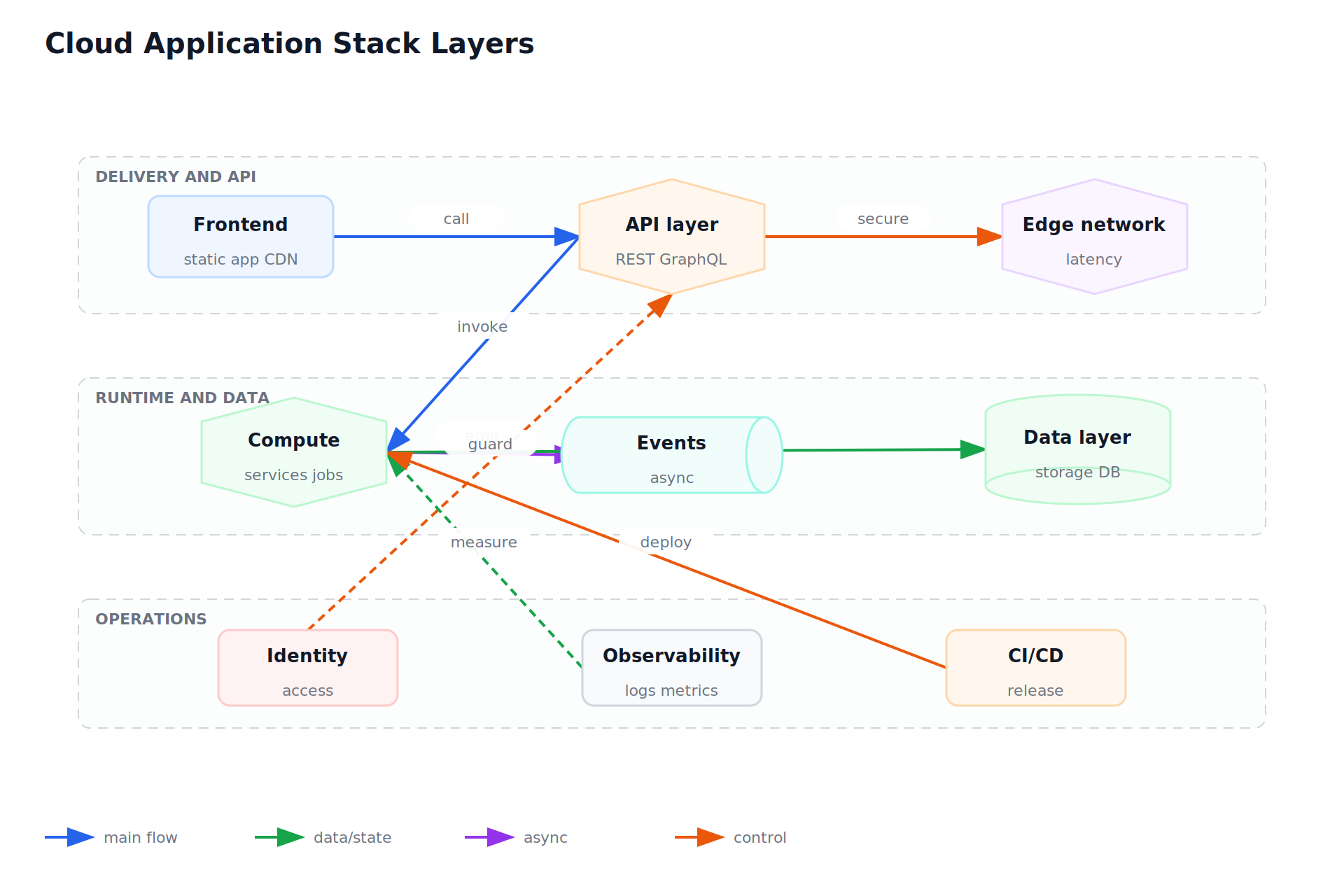
Cloud Application Stack Layers
- source-page: p. 238
- batch: 05
- status: accepted
- reviewer-status: reviewed
- fidelity-score: 0.9
- spec: bbg-p0238-api-gateways-and-contracts-api.json
- svg: bbg-p0238-api-gateways-and-contracts-api.svg
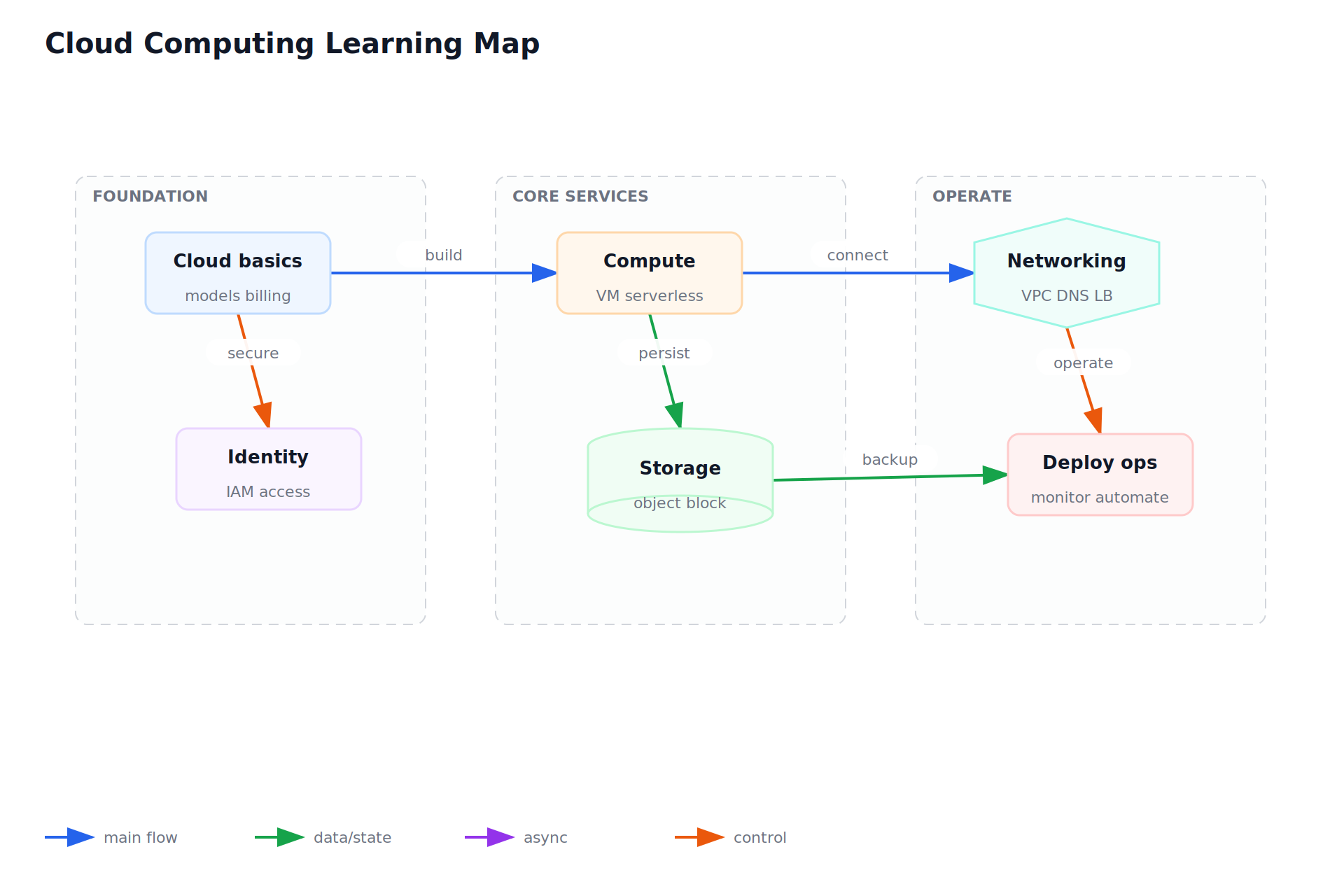
Cloud Computing Learning Map
- source-page: p. 153
- batch: 09
- status: accepted
- reviewer-status: reviewed
- fidelity-score: 0.9
- spec: bbg-p0153-cloud-infrastructure-and-iac-cloud.json
- svg: bbg-p0153-cloud-infrastructure-and-iac-cloud.svg
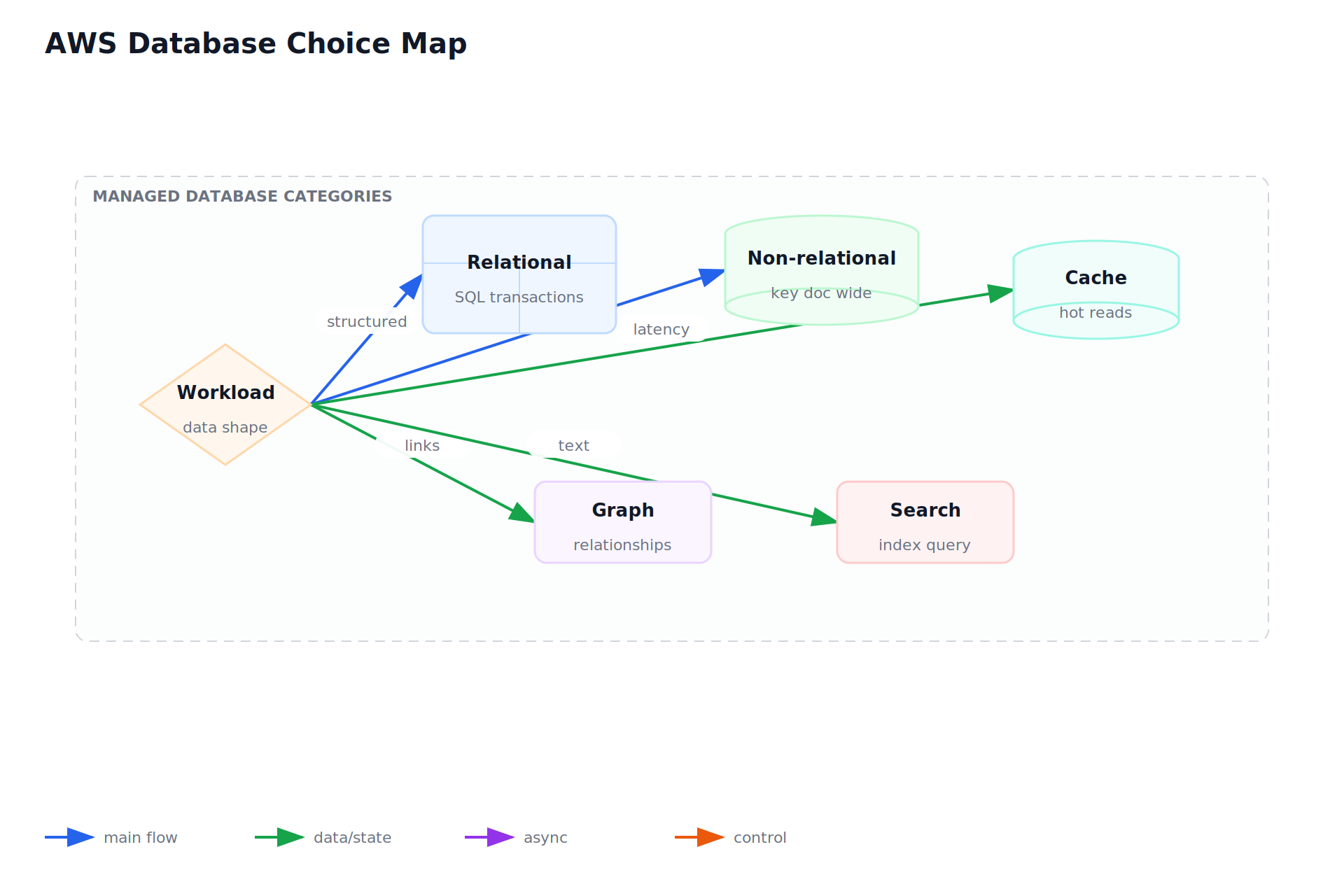
AWS Database Choice Map
- source-page: p. 85
- batch: 12
- status: accepted
- reviewer-status: reviewed
- fidelity-score: 0.9
- spec: bbg-p0085-cloud-infrastructure-and-iac-cloud.json
- svg: bbg-p0085-cloud-infrastructure-and-iac-cloud.svg
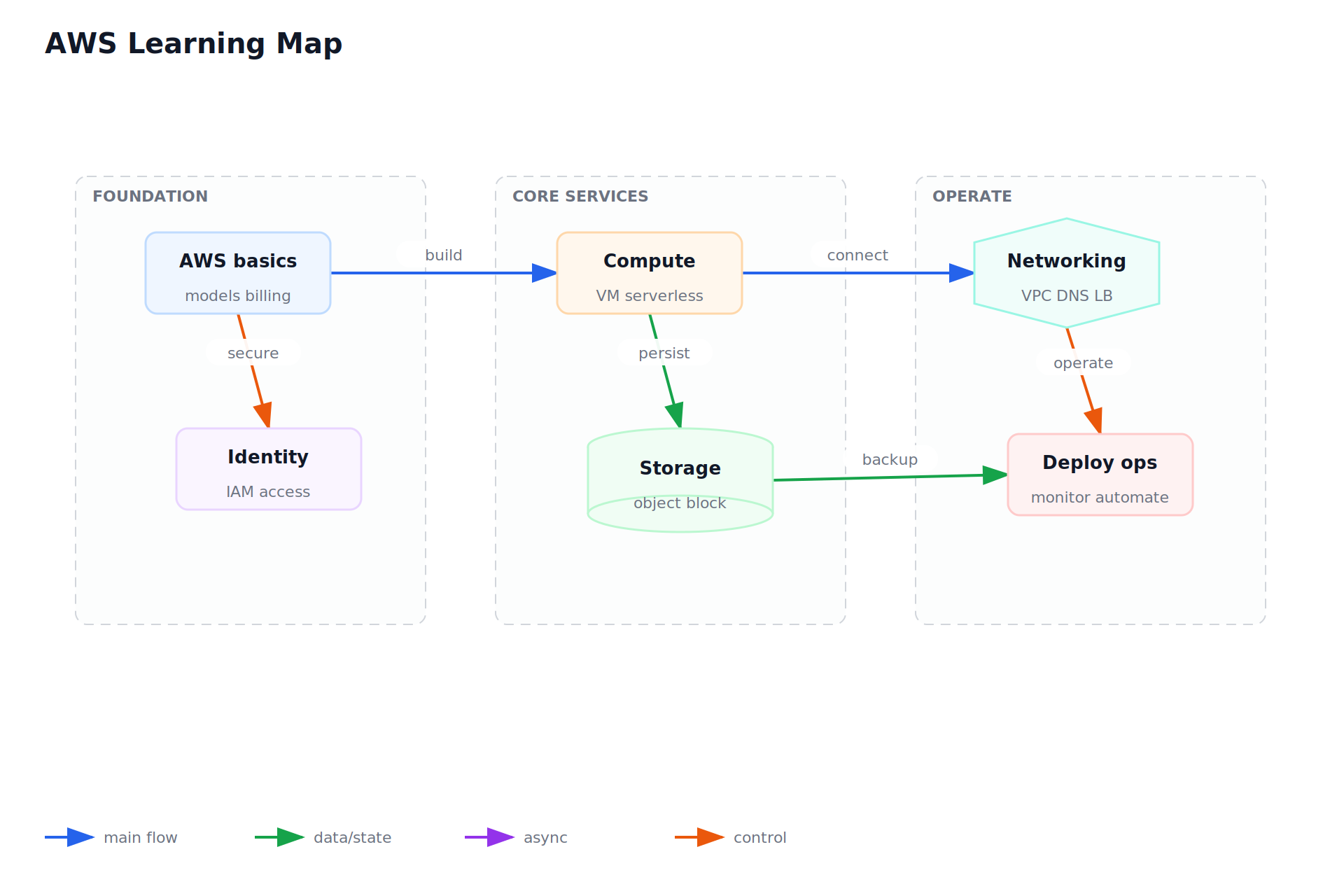
AWS Learning Map
- source-page: p. 384
- batch: 14
- status: accepted
- reviewer-status: reviewed
- fidelity-score: 0.9
- spec: bbg-p0384-cloud-infrastructure-and-iac-cloud.json
- svg: bbg-p0384-cloud-infrastructure-and-iac-cloud.svg
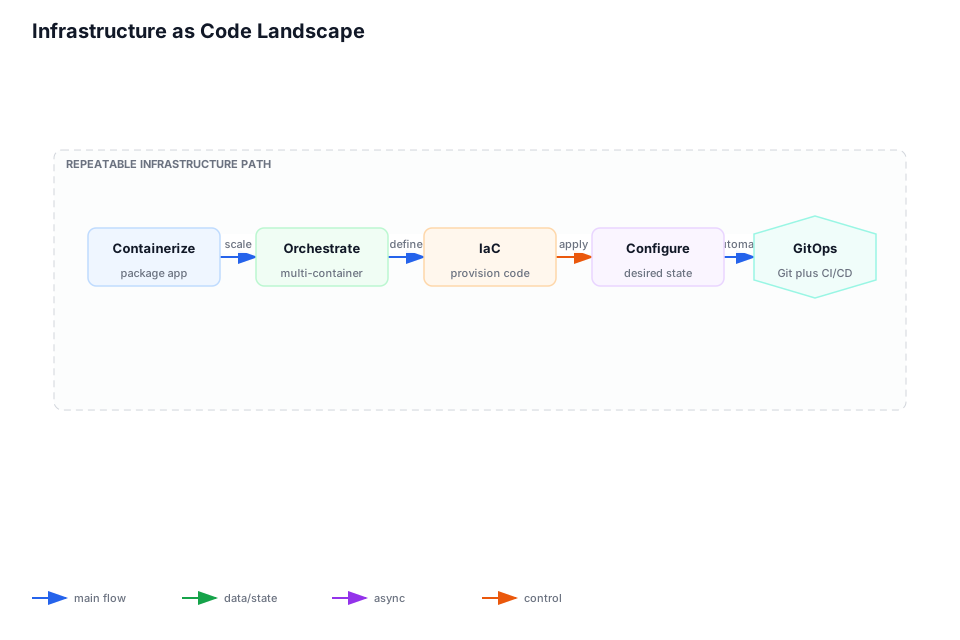
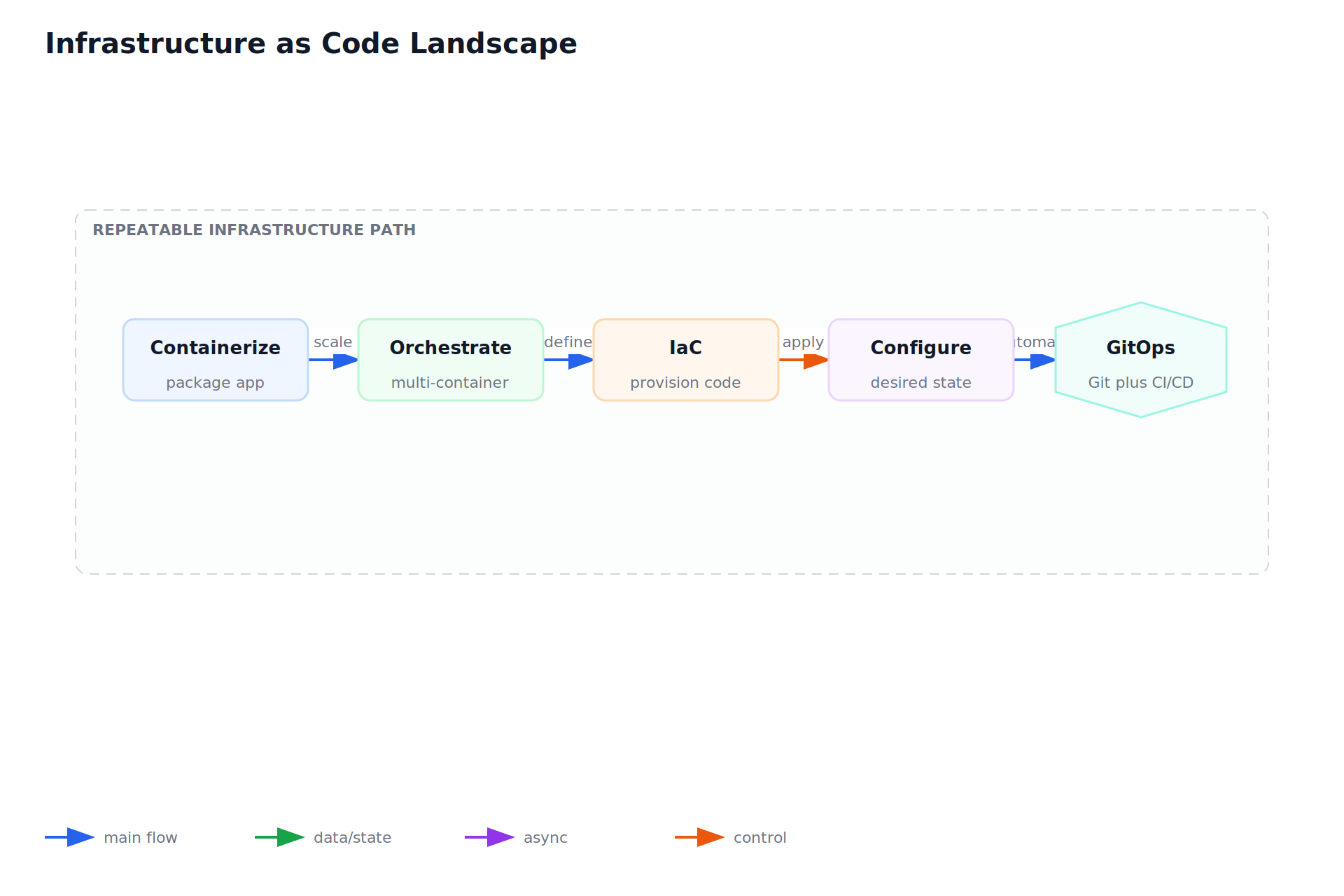
Infrastructure as Code Landscape
- source-page: p. 20
- batch: 15
- status: accepted
- reviewer-status: reviewed
- fidelity-score: 0.9
- spec: bbg-p0020-cloud-infrastructure-and-iac-cloud.json
- svg: bbg-p0020-cloud-infrastructure-and-iac-cloud.svg
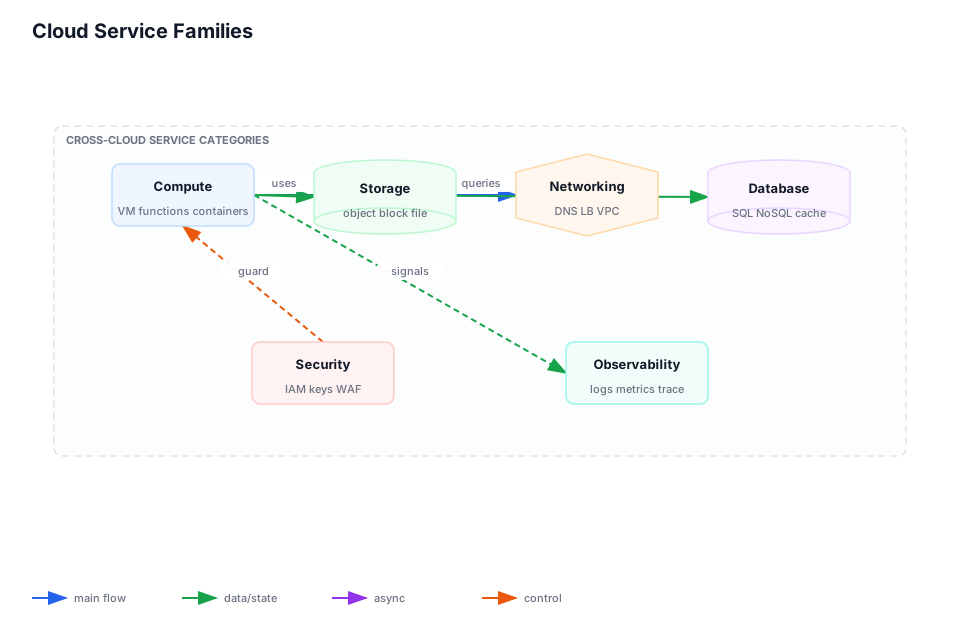
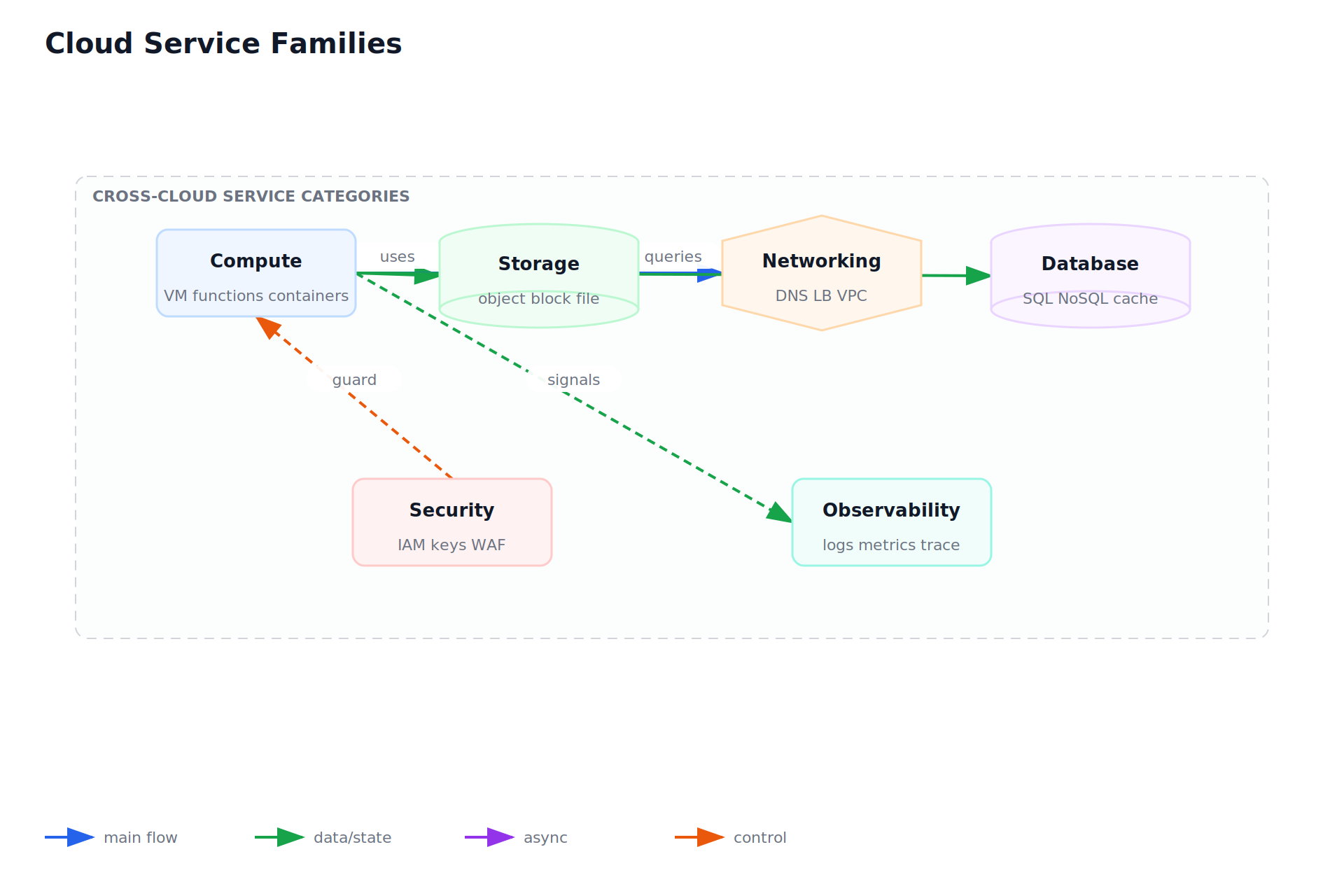
Cloud Service Families
- source-page: p. 53
- batch: 15
- status: accepted
- reviewer-status: reviewed
- fidelity-score: 0.9
- spec: bbg-p0053-cloud-infrastructure-and-iac-cloud.json
- svg: bbg-p0053-cloud-infrastructure-and-iac-cloud.svg
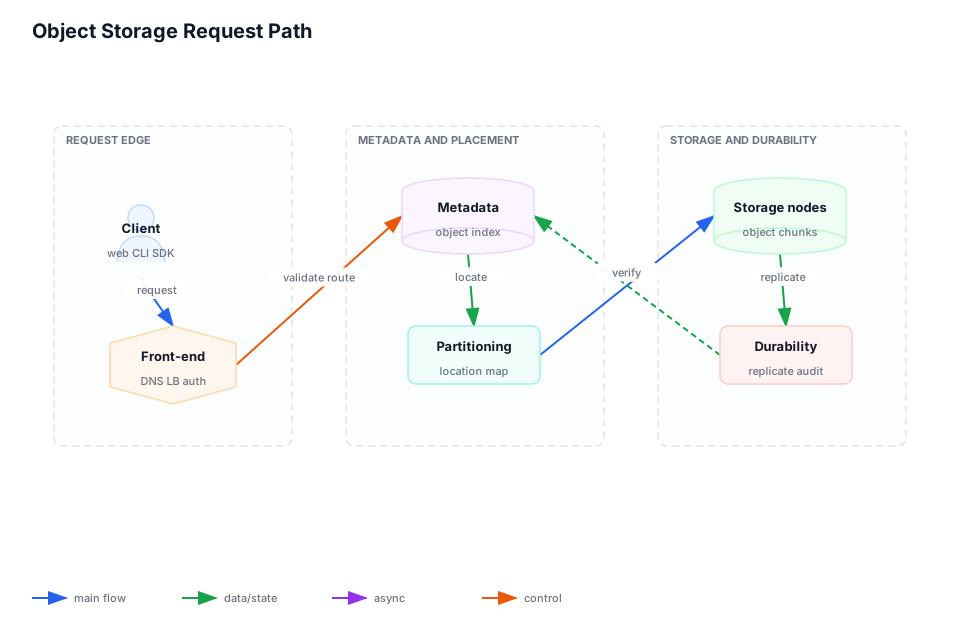
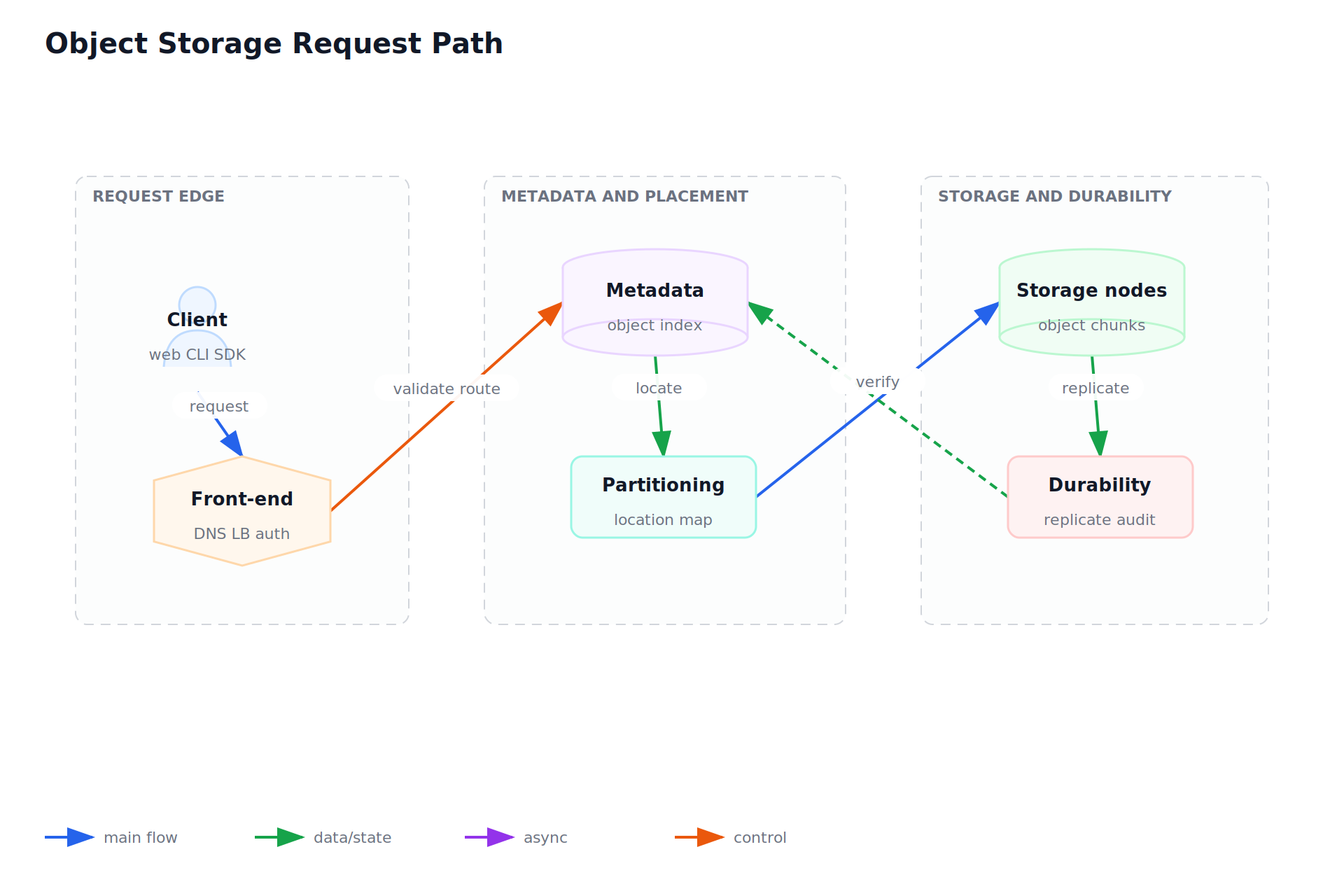
Object Storage Request Path
- source-page: p. 106
- batch: 17
- status: accepted
- reviewer-status: reviewed
- fidelity-score: 0.9
- spec: bbg-p0106-cloud-infrastructure-and-iac-cloud.json
- svg: bbg-p0106-cloud-infrastructure-and-iac-cloud.svg
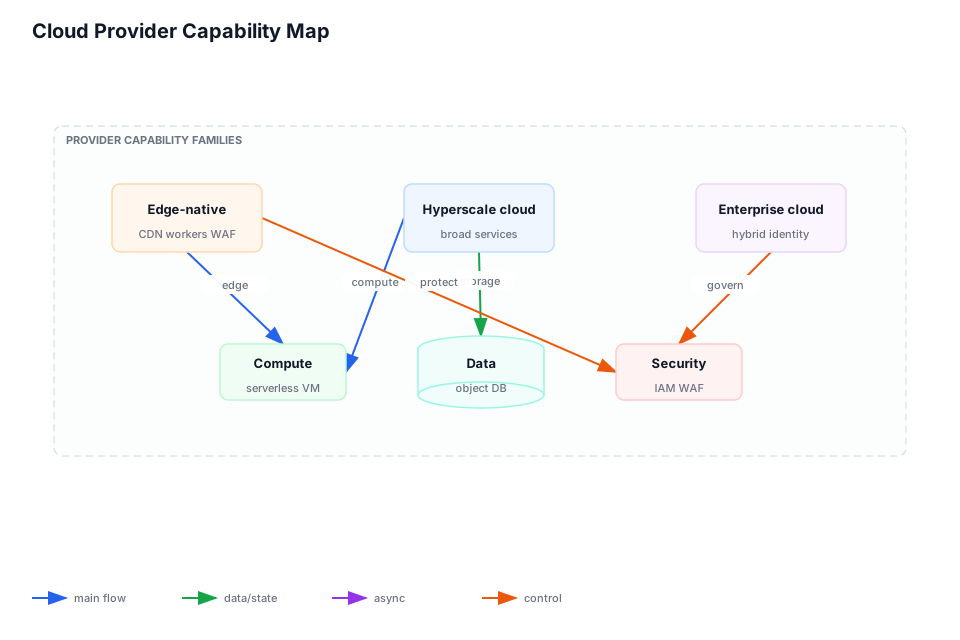
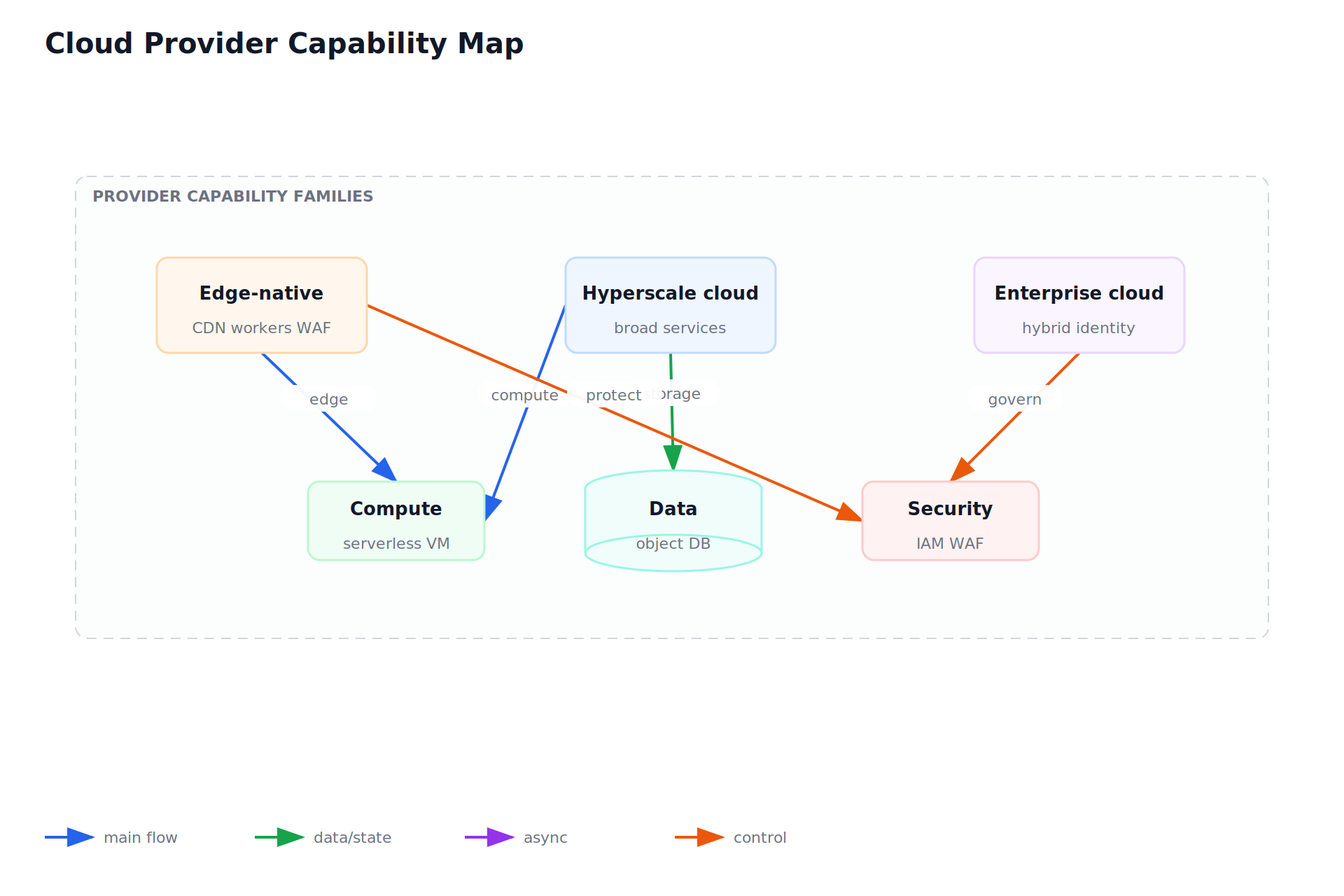
Cloud Provider Capability Map
- source-page: p. 392
- batch: 20
- status: accepted
- reviewer-status: reviewed
- fidelity-score: 0.9
- spec: bbg-p0392-cloud-infrastructure-and-iac-cloud.json
- svg: bbg-p0392-cloud-infrastructure-and-iac-cloud.svg
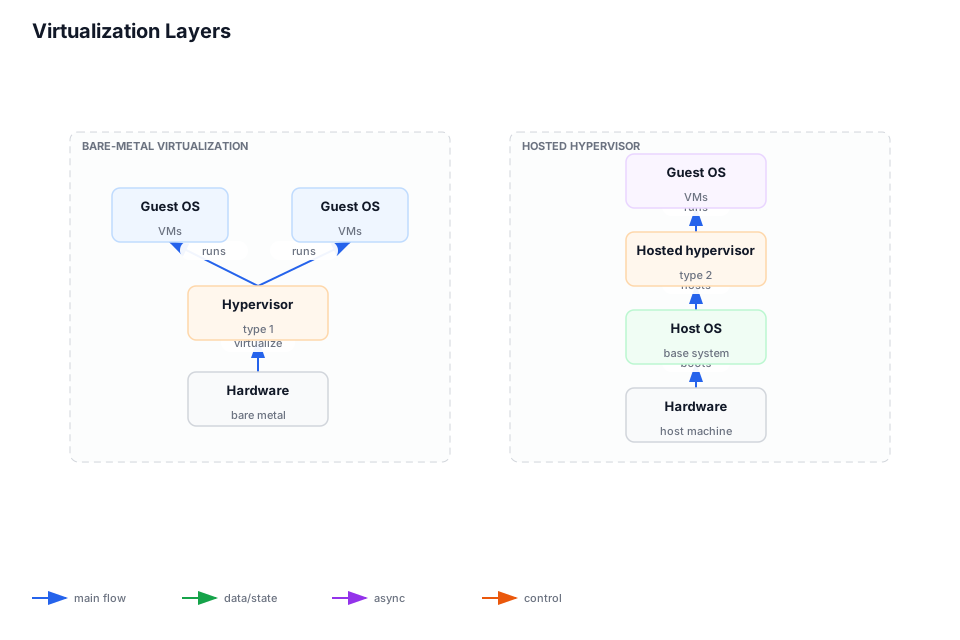
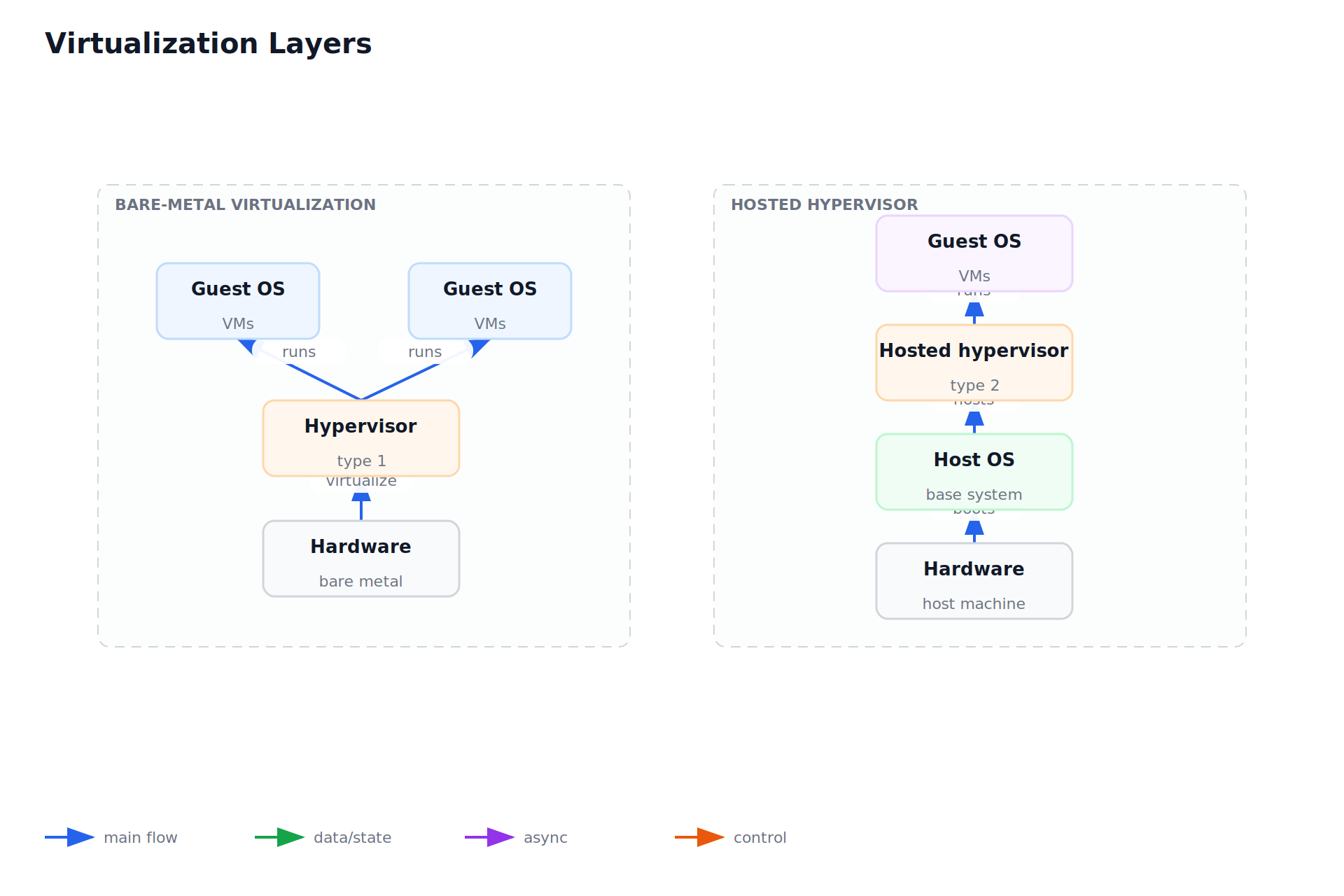
Virtualization Layers
- source-page: p. 415
- batch: 22
- status: accepted
- reviewer-status: reviewed
- fidelity-score: 0.9
- spec: bbg-p0415-cloud-infrastructure-and-iac-cloud.json
- svg: bbg-p0415-cloud-infrastructure-and-iac-cloud.svg
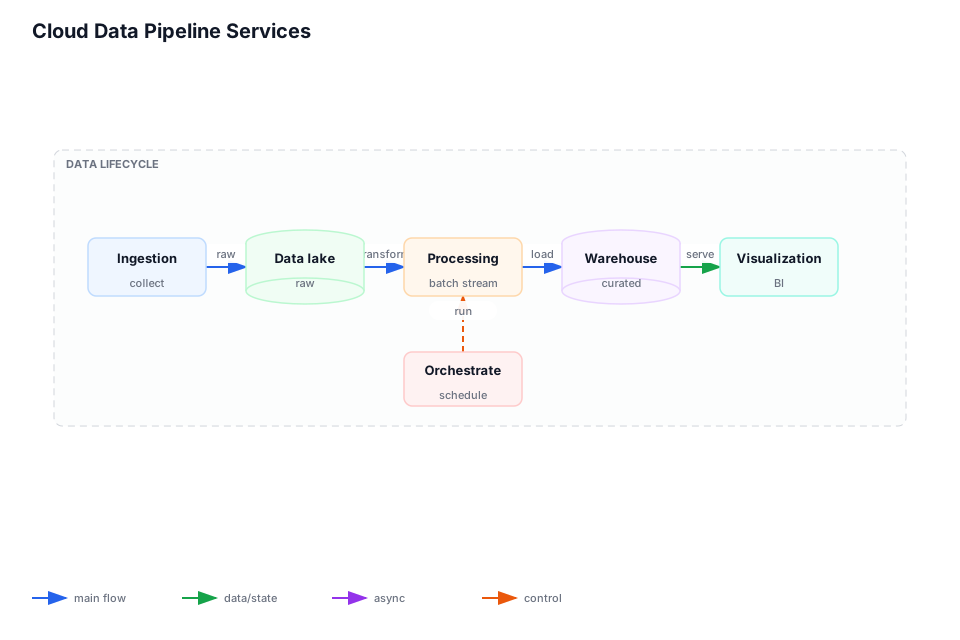
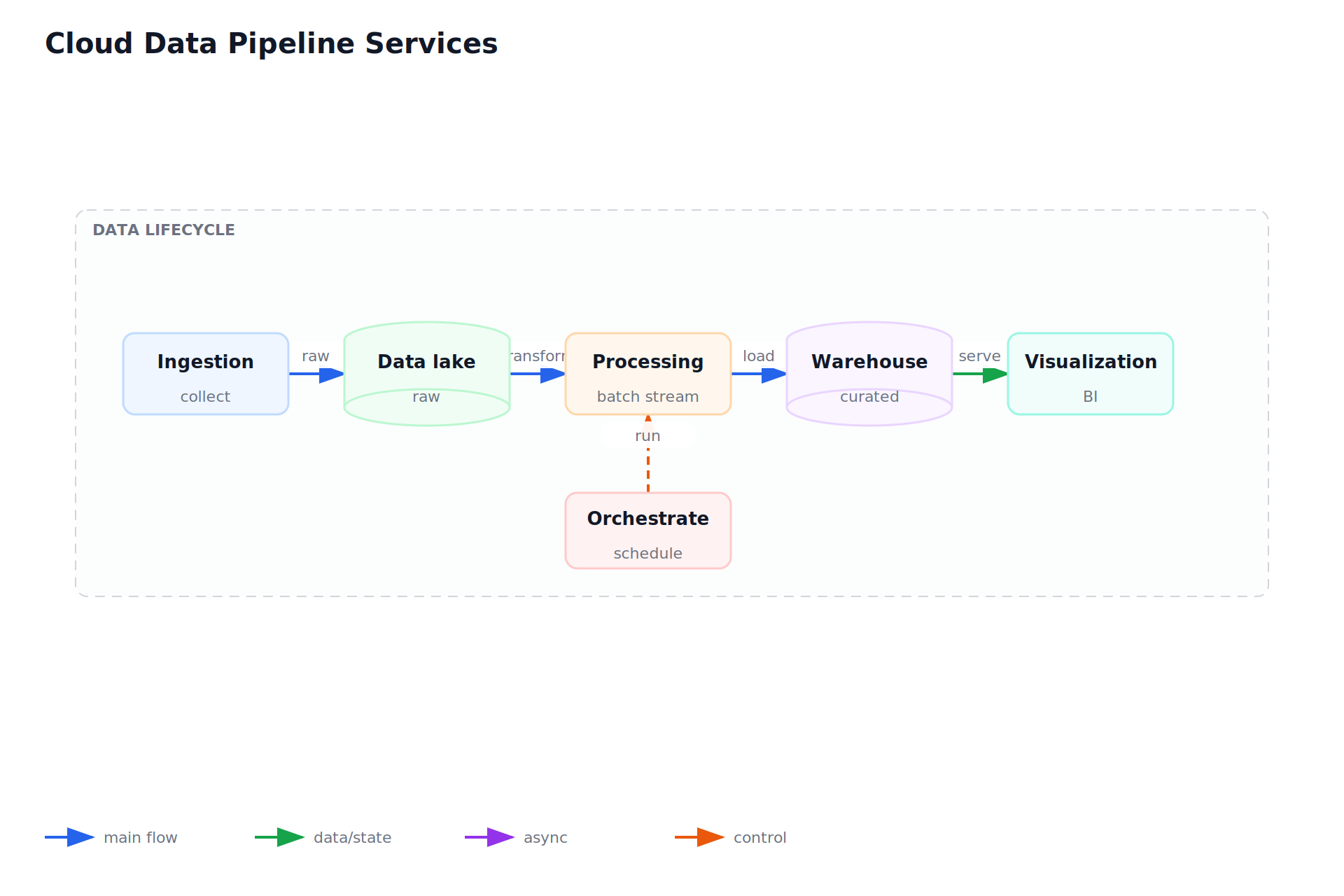
Cloud Data Pipeline Services
- source-page: p. 382
- batch: 23
- status: accepted
- reviewer-status: reviewed
- fidelity-score: 0.9
- spec: bbg-p0382-cloud-infrastructure-and-iac-cloud.json
- svg: bbg-p0382-cloud-infrastructure-and-iac-cloud.svg
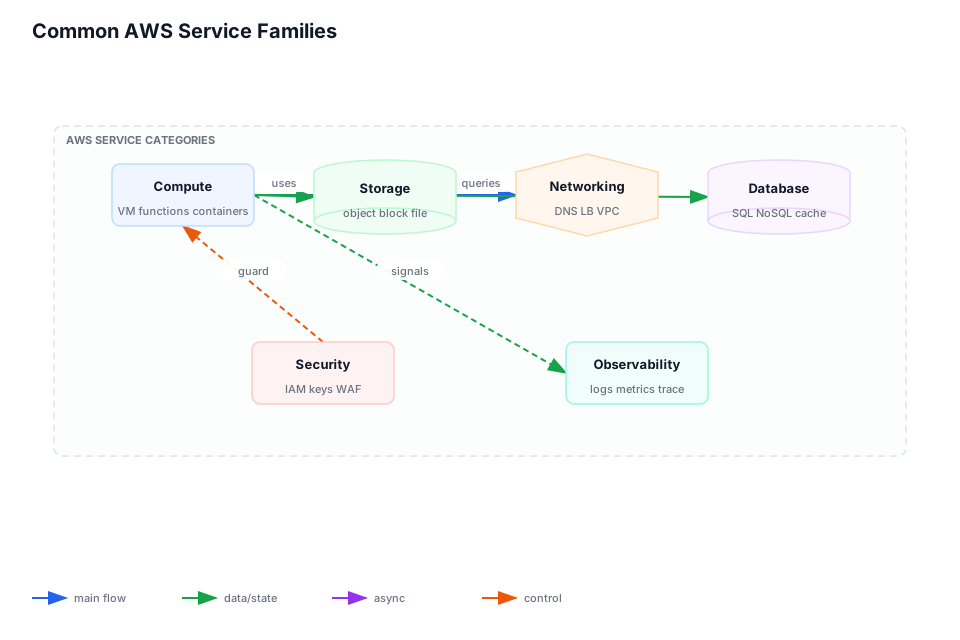
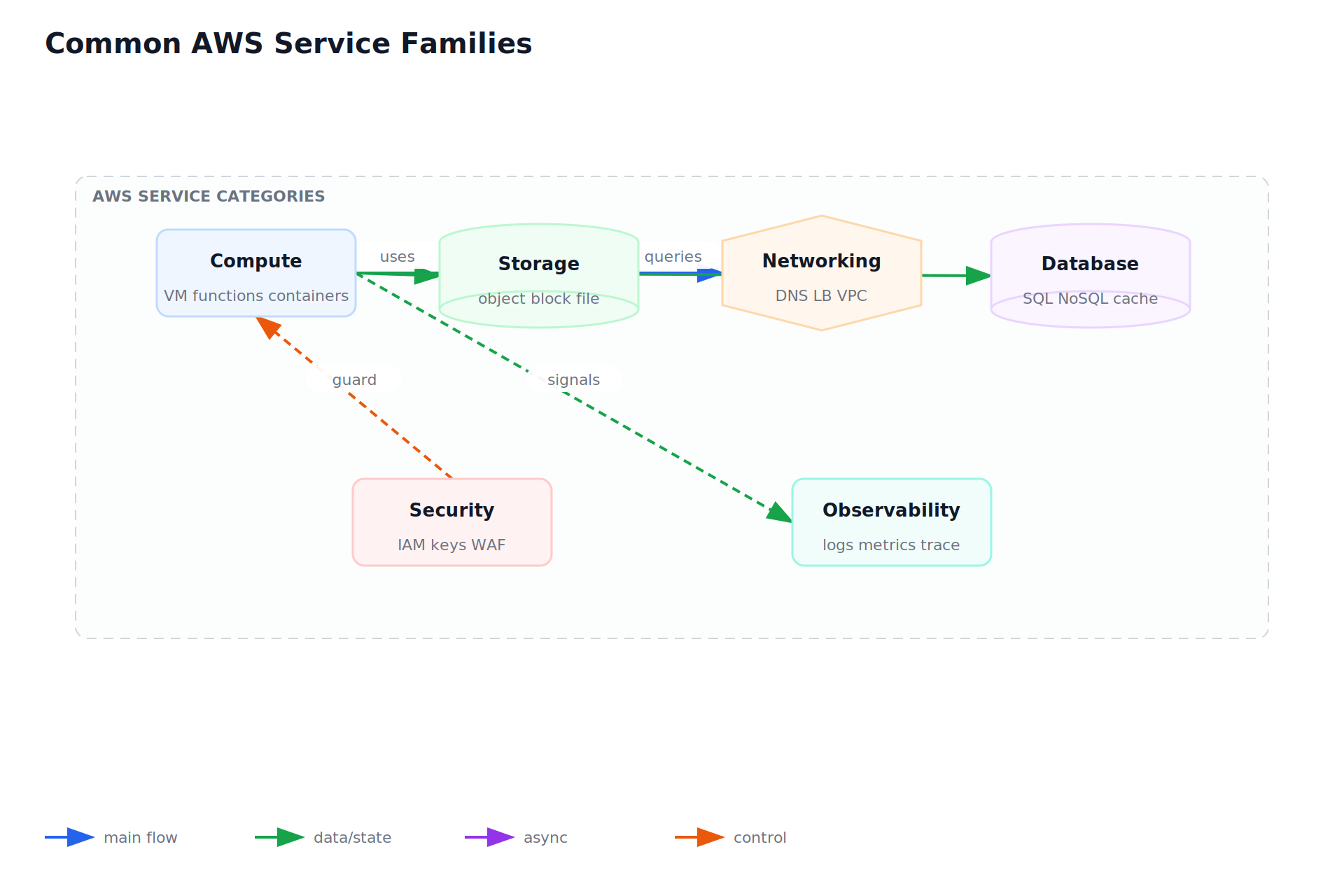
Common AWS Service Families
- source-page: p. 145
- batch: 24
- status: accepted
- reviewer-status: reviewed
- fidelity-score: 0.9
- spec: bbg-p0145-cloud-infrastructure-and-iac-cloud.json
- svg: bbg-p0145-cloud-infrastructure-and-iac-cloud.svg
Open Review Queue
- none
Reviewed Non-Signal Pages
- Cloud Infrastructure And IaC: Authentication + DNS Map: source p. 107; batch 05; status non-signal/reviewed; ledger reason in visual-review-ledger.json
- Cloud Infrastructure And IaC: Container + Orchestration Map: source p. 21; batch 23; status non-signal/reviewed; ledger reason in visual-review-ledger.json
Use When
- Infrastructure must be repeatable, reviewable, and recoverable across environments.
Avoid When
- A one-off local analysis does not justify provisioned infrastructure.
Core Model
- Infrastructure is product code for networking, compute, storage, identity, policy, and observability.
- Prefer explicit ownership over accidental coupling. Every boundary should say who owns correctness, cost, data, recovery, and change.
- Use corpus page pointers for inspection, and keep the chapter notes focused on reusable design decisions.
Implementation Guidance
- Describe resources declaratively, keep environment differences explicit, and rehearse replacement of critical pieces.
- Write the smallest useful design note: purpose, inputs, outputs, state, failure behavior, observability, and rollback.
- Choose the first implementation that can be tested against the real workflow without hiding a known production risk.
Tradeoffs
- Managed services lower operations work but add pricing, limits, and provider-specific behavior.
- Centralization reduces duplicated work but can become a bottleneck when every team needs exceptions.
- Specialized infrastructure helps at scale, but it must earn its operational cost.
Failure Modes
- Manual console changes drift from source and only appear during incident recovery.
- The diagram shows boxes but not ownership, retry behavior, data freshness, or user-visible failure.
- The system has no proof path for the highest-risk assumption.
Decision Checklist
- Version resource definitions, document secrets, tag ownership, and test destroy/recreate on non-production stacks.
- Name the owner, source of truth, timeout, retry policy, and evidence that the path works.
- Add one regression check for the failure mode most likely to recur.
Neutral Automation Examples
- A file-processing workflow uses object storage, a queue, and a worker, all declared from one reviewed stack.
- A neutral internal automation starts with fixtures, then adds credentials, permissions, and production scheduling only after the boundary is tested.
- A customer-facing workflow keeps irreversible actions behind explicit approval until metrics show it is safe to automate further.